- 我们的故事
上湄公河风味探索之旅
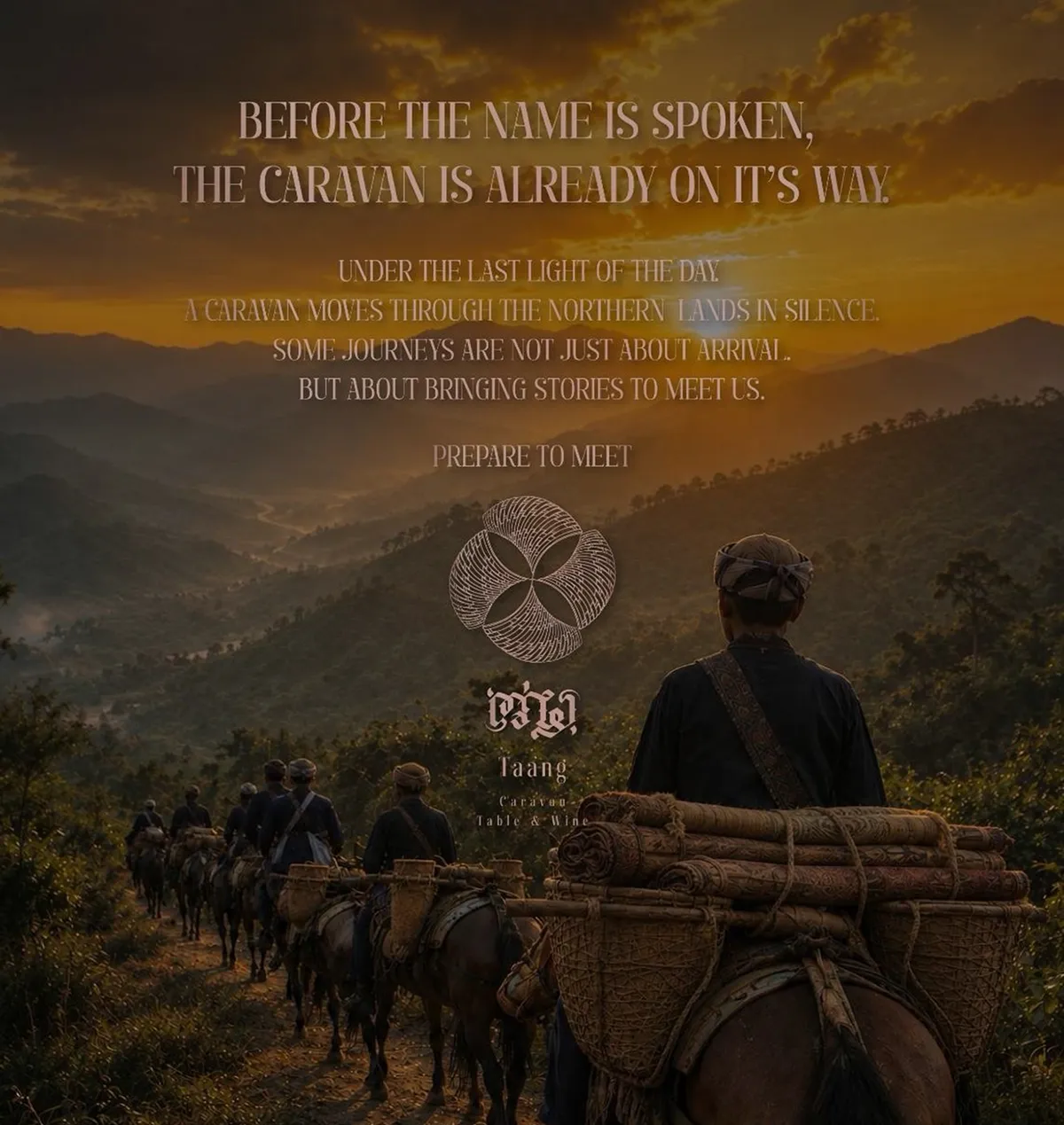
Lanna cuisine was shaped not by fixed recipes, but through centuries of exchange along the trade routes of the Upper Mekong. Dishes like khao soi traveled through the ancient Tea Horse Road, connecting cultures, ingredients, and communities across the region.
In the past, travel between cities was dangerous and difficult. Caravan traders, known as wua tang and ma tang, became the vital link connecting Lanna with regions across the Upper Mekong, transporting not only goods, but also cultures and culinary traditions.
These trading caravans shaped the cultural landscape of the region, carrying not only goods, but also ingredients, spices, and culinary traditions across generations. Lanna cuisine, therefore, is not static — it is a story of movement, exchange, and transformation.

不止于美食
一段穿越上湄公河文化的旅程
- 美食哲学
以极简之变,传承本真之味
A Culinary Journey Shaped by Seasonal Terroir and Cultural Landscapes
Chef Kong hand-selects ingredients from Chiang Rai and airlifts them to Bangkok, preserving the true spirit of Northern soil, water, and sunlight in every dish.
The cuisine follows the true seasons of Northern Thailand — from winter herbs to late-rain harvests and rare dry-season ingredients. Each dish reflects a changing landscape of time and place, rather than a fixed year-round menu.
Rustic Luxury is the beauty of simplicity — allowing the true character of each ingredient to speak for itself. Luxury comes from authenticity, where ordinary ingredients are elevated through restraint, craftsmanship, and a deep respect for nature.

- 文化景观
我们以更宏观的上湄公河文化景观诠释料理,超越现代国界与城市的界限。
Xishuangbanna / Yunnan — noodles, fermentation, warming spices, and Chinese preservation techniques such as stewing, smoking, and salting.
Kengtung / Shan States — fermented ingredients, legumes, grains, mountain herbs, and dishes like khao ram fuen.
Lanna — a meeting point of ethnic culinary traditions, giving rise to dishes such as khao soi, nam ngiao, khao kan chin, and gaeng hung lay.
Mawlamyine / Dawei — maritime trade spices and port-city influences.
Luang Prabang — wild herbs, forest vegetables, and Mekong river culture.